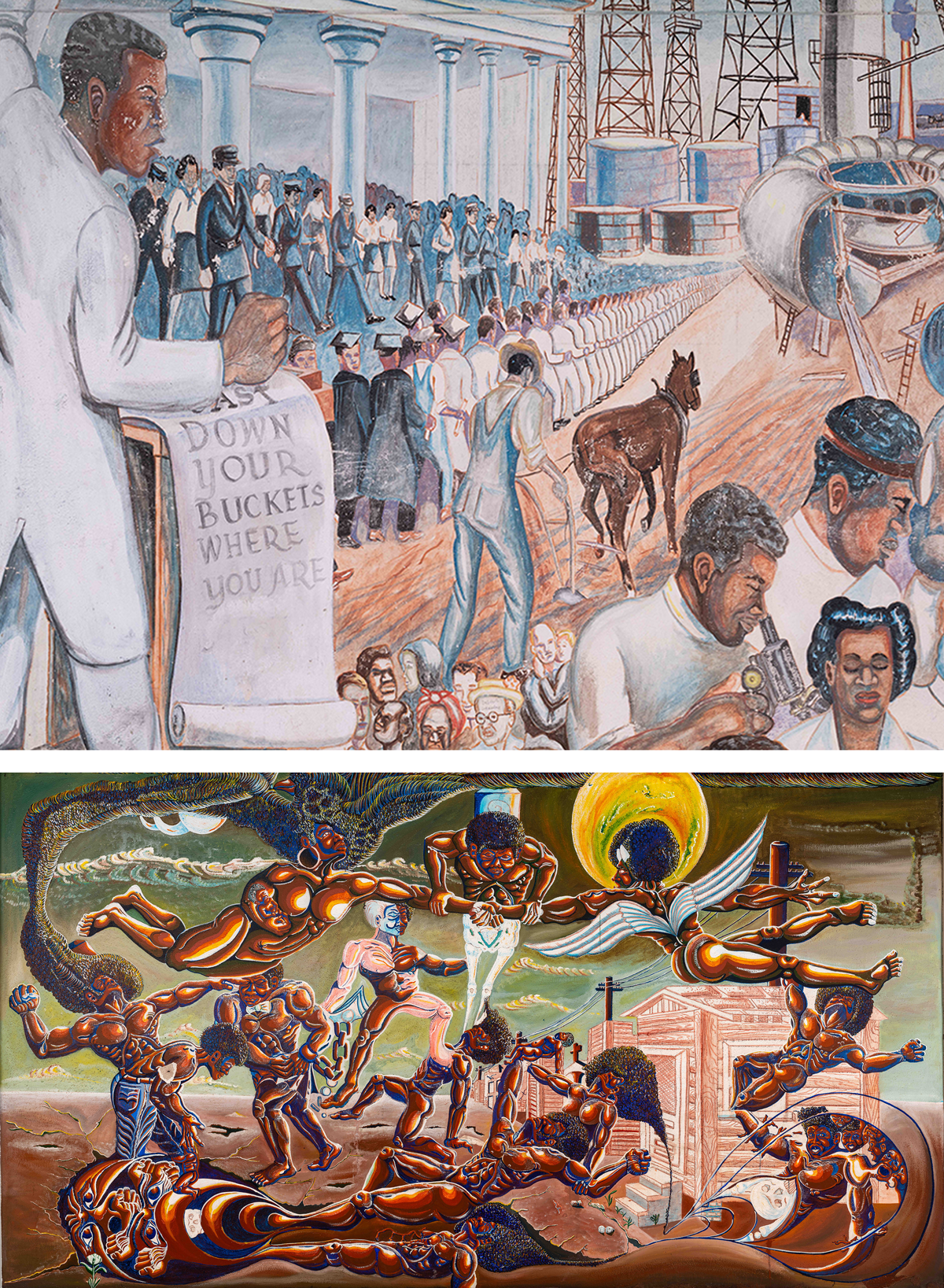
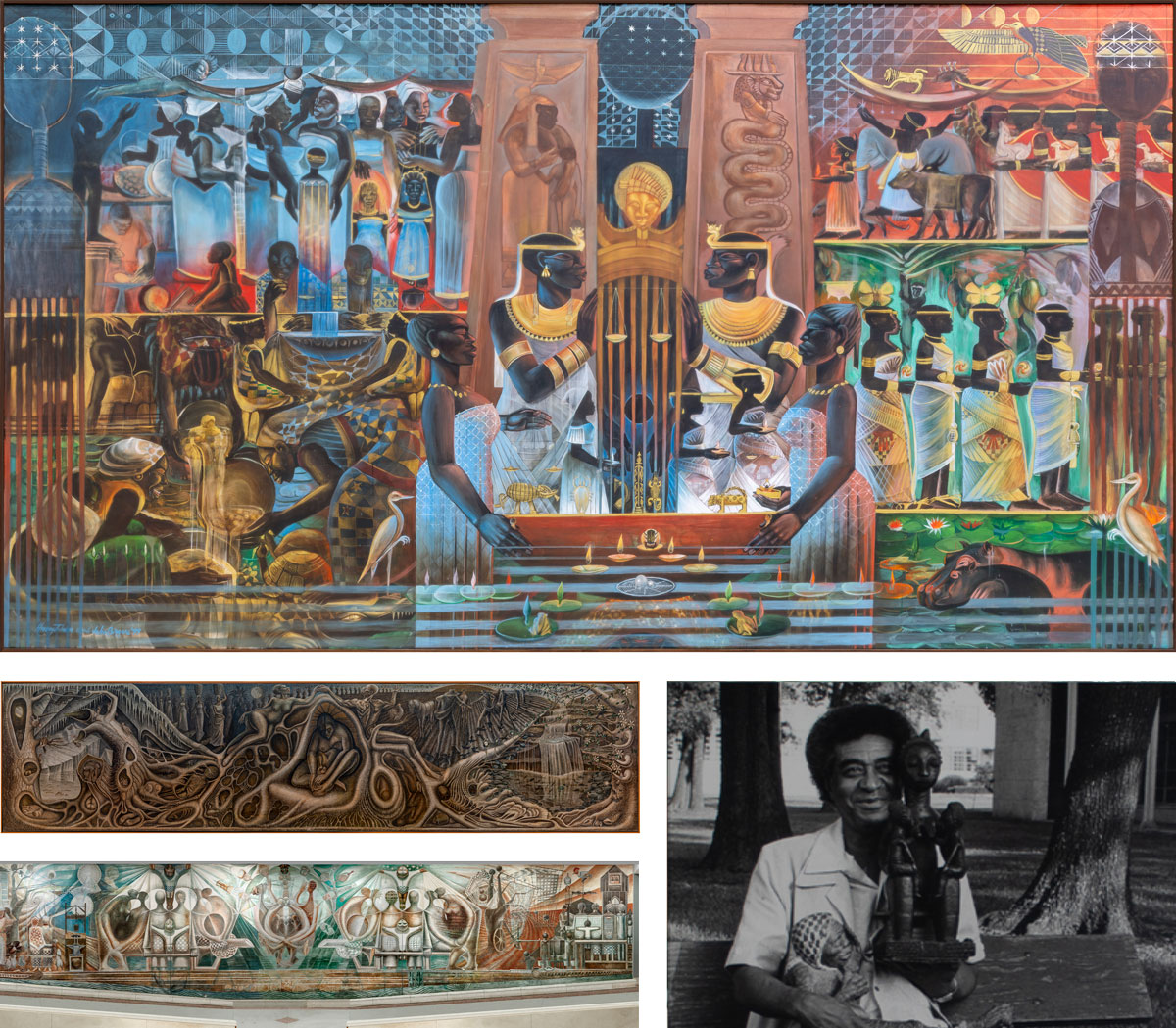
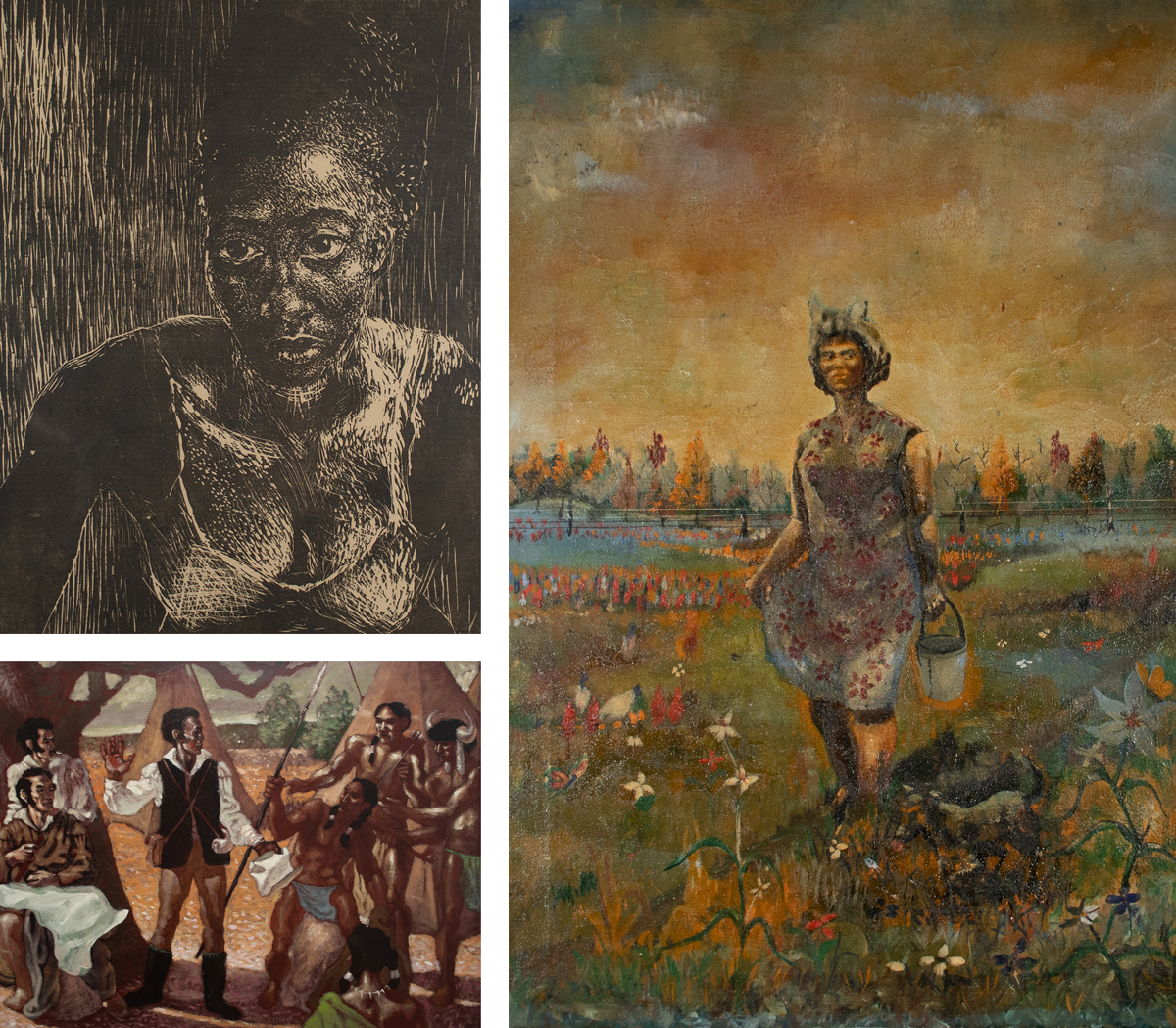
Dr. Biggers, who was influenced by Mexican muralists, and his former professor, famed artist, Charles White, who he studied under as an undergraduate student at Hampton Institute. Dr. John T. Biggers painted three murals on the TSU campus, Web of Life, NUBIA, and Family Unity, which was commissioned by the TSU student body and painted directly on the walls of the student cafeteria. Beginning with his 1957 UNESCO Fellowship in West Africa, Biggers became deeply influenced by African art, symbolism, and spirituality.
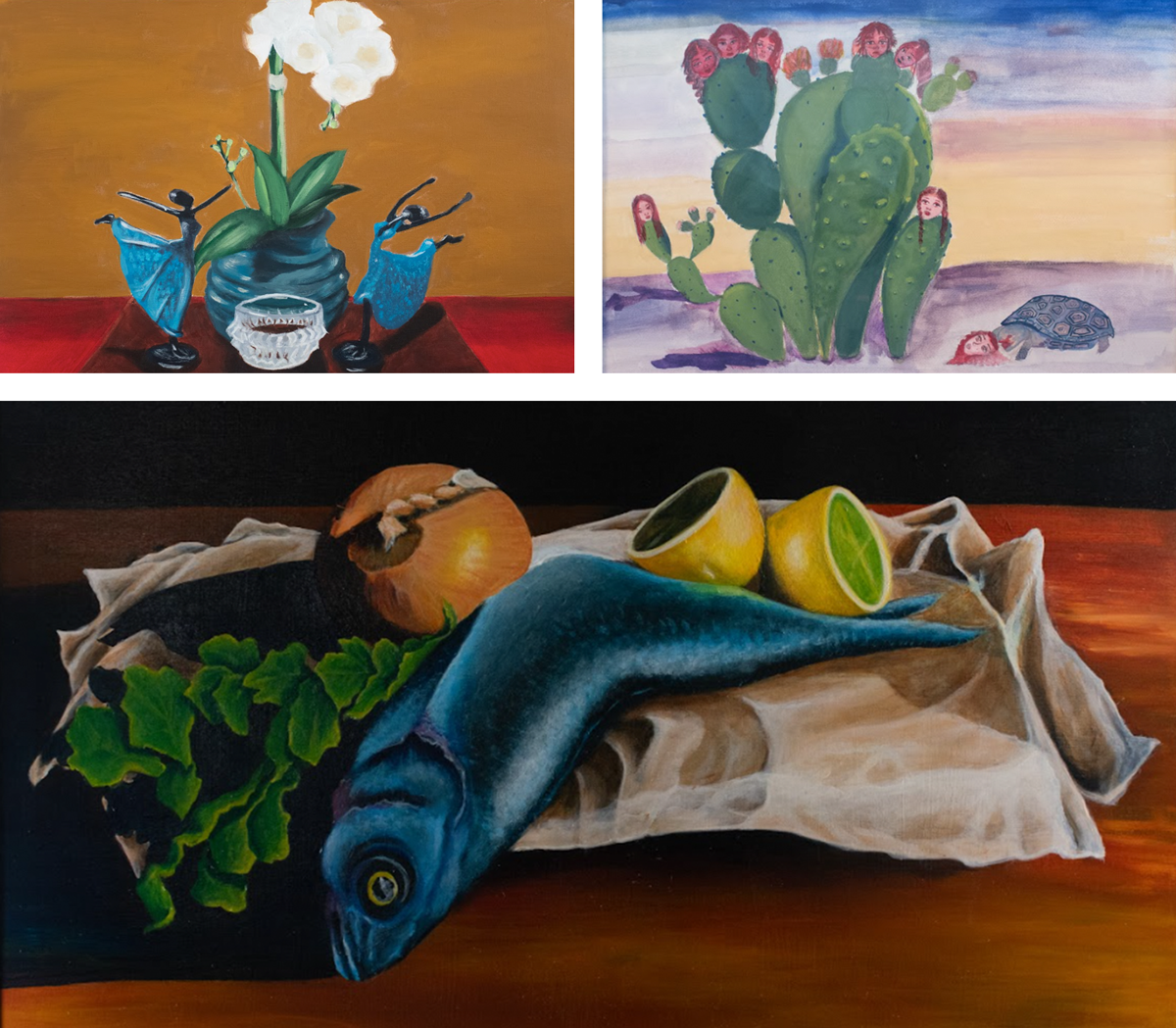
Current and recently graduated TSU art students carry on the legacy of John T. Biggers, Carroll Harris Simms, and other faculty and students that came before them. Many traditions have carried over; students still produce portraits, sculptures, and murals. Perhaps most importantly, each senior still contributes works from their undergraduate portfolio to the University Museum’s Permanent Collection, just as Biggers’s and Simms’s students did. Much has changed, too. Students take classes in digital art, producing impressive virtual designs. Additionally, where many past students became art teachers, new opportunities have seen recent graduates enter fields like design, social media, and museums.
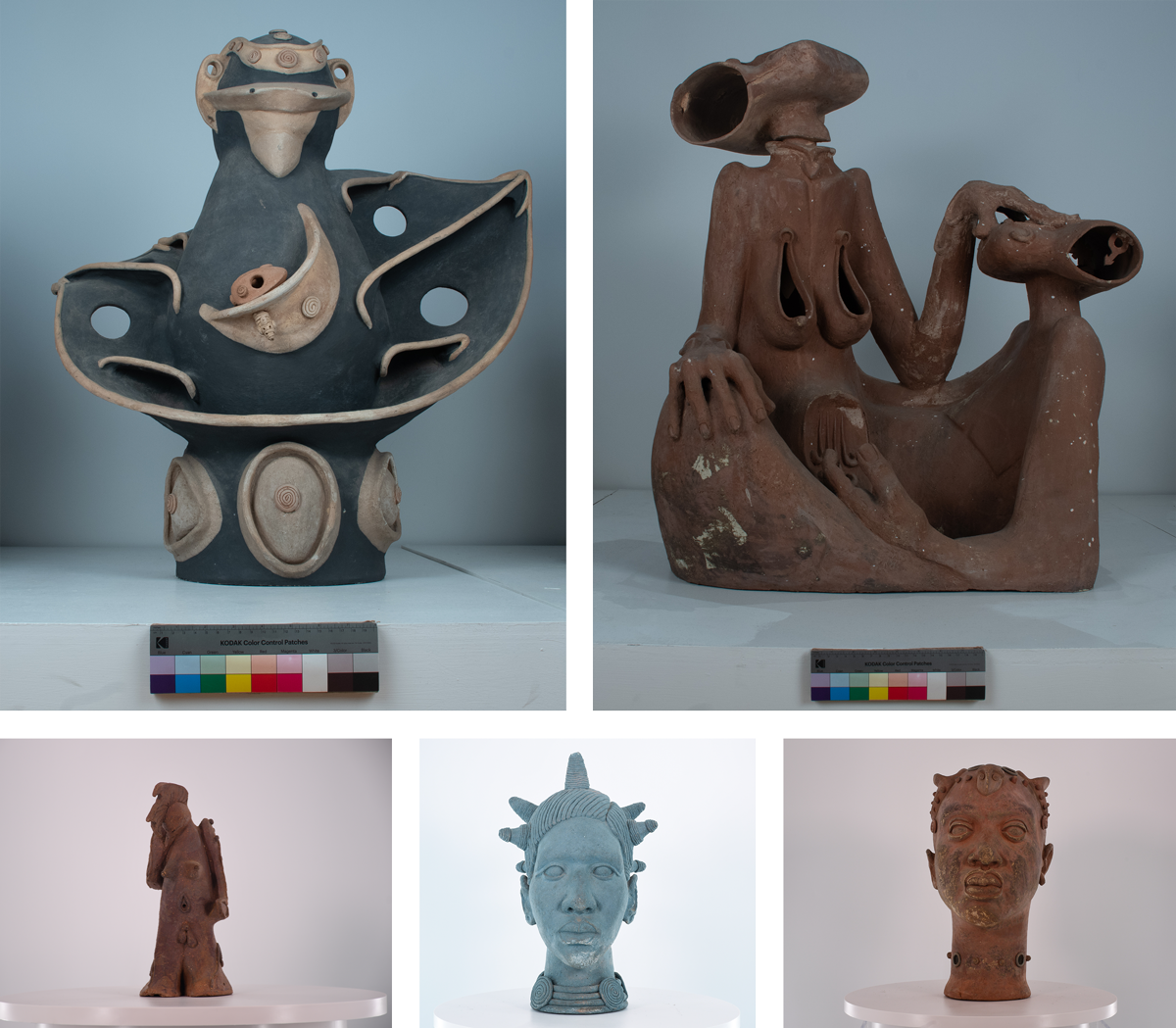
Students of Professor Carroll Harris Simms created an incredible collection of terracotta sculptures. The sculptures were inspired by Nok and Ife sculptures, which Simms encountered during his international travels. This began with Fulbright Fellowships where he studied Benin and Yoruba art under William Fagg at the British Museum and later continued when he traveled to West Africa. The terracotta sculptures are heavily embellished with designs, particularly swirls. Several motifs appear frequently in the student works, particularly animal forms, shrines, and the mother & child relationship.
From the inception of the Texas Southern art department, Dr. John T. Biggers and Professor Carroll Harris Simms had an eye towards history. Beginning with the first graduating class, the faculty would select a number of pieces from each graduating senior’s portfolio. These selections came to form the museum’s permanent collection, which have been used as tools for teaching TSU students for over 60 years. Works including paintings, drawings, prints, photographs, sculptures, pottery, textiles, and more are included in the collection.
Once you go and learn it, you must always take it back to the community.Dr. Alvia Wardlaw